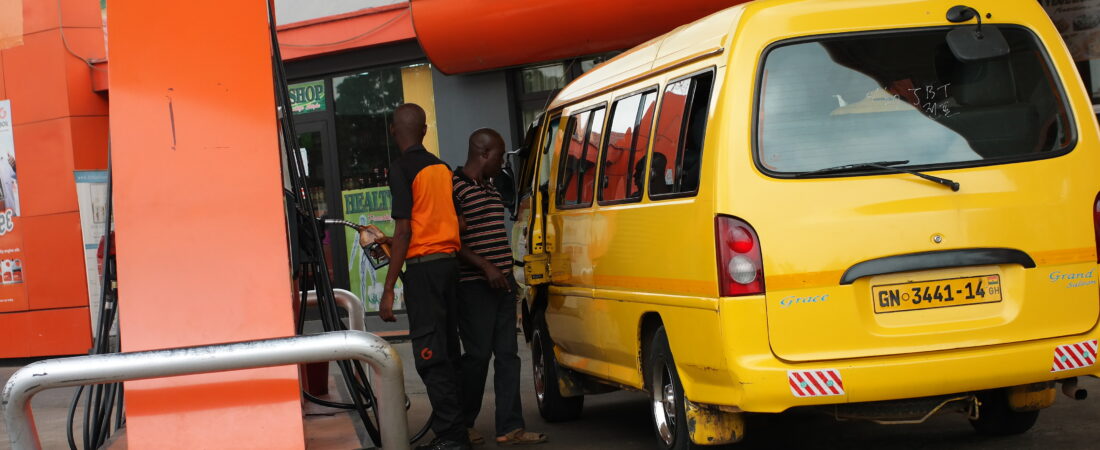
Ghanaian motorists may soon enjoy lower fuel prices as global crude oil prices continue to decline following easing geopolitical tensions in the Middle East.
Although international oil prices have retreated significantly, local pump prices have yet to reflect the drop due to Ghana’s petroleum pricing system, which adjusts fuel prices on a bi-weekly basis.
Global Oil Prices Retreat
Earlier this year, petrol sold for around GH¢10 per litre, while diesel averaged between GH¢11 and GH¢12, as crude oil traded between $60 and $70 per barrel.
However, escalating tensions involving Iran, Israel, and the United States sent global crude prices soaring, briefly approaching $120 per barrel.
The sharp increase pushed diesel prices above GH¢17 per litre at some filling stations across Ghana, with petrol prices also climbing nationwide.
Following the recent ceasefire and improved market sentiment, crude oil has now declined to approximately $72 per barrel, renewing hopes of lower fuel costs.
Why Pump Prices Haven’t Fallen Yet
Despite the drop in global oil prices, Ghanaian consumers are still paying higher prices at the pump due to the National Petroleum Authority’s (NPA) pricing mechanism.
The NPA operates a 14-day pricing window, during which Oil Marketing Companies (OMCs) are required to maintain a regulated price floor regardless of daily movements in international oil markets.
The current pricing window runs until June 30, meaning recent declines in crude oil prices have not yet been incorporated into domestic fuel prices.
A new pricing review is expected to take effect from July 1, when the NPA will reassess international crude prices, exchange rate movements, and other cost factors before announcing new price guidelines.
Existing Fuel Stocks Also Affect Prices
Industry experts explain that another reason for the delay is inventory costs.
Most filling stations are currently selling fuel that was imported weeks earlier when global crude prices were significantly higher.
Before retailers can reduce prices, they must first recover the cost of these existing inventories.
However, companies are now replenishing their fuel stocks at lower international prices, making it more likely that the next pricing cycle will bring noticeable reductions at the pumps.
The recent appreciation of the Ghana cedi is also expected to support lower import costs and further ease pressure on fuel prices.
Consumers May See Relief From July
While global markets have already responded to falling crude oil prices, Ghana’s pricing framework means consumers typically experience the benefits with a slight delay.
If current market trends persist, motorists could begin paying lower prices for petrol and diesel from the next pricing window starting July 1.
For now, analysts say the direction is clear: fuel prices are expected to decline—the only question is when those savings will reach consumers.
Stay up to date on the latest Finance, World News, Politics, Entertainment, Business, Sports, and Lifestyle stories on Jaysonlive.com.